When people ask me where to find “the best botox near me,” they usually expect a name and a map pin. What they need instead is a framework. A single recommendation might fit one face, one budget, one set of goals. A framework helps you navigate options anywhere, compare providers on substance, and walk into your first botox appointment with confidence. Having consulted in both medical aesthetics and dermatology practices for more than a decade, I’ve seen the difference a careful choice makes: smoother results, fewer complications, and a treatment plan that grows with you rather than fights your features.
This isn’t about chasing the cheapest botox deals or a trendy lip flip on a whim. It’s about finding a trusted botox clinic that respects your anatomy, uses authentic botulinum toxin, and takes time to understand why you’ve booked the visit. Cosmetic botox can be subtle or bold, preventive or corrective, but it should never be careless.
What “reputable” looks like in practice
A reputable clinic treats botox injections as a medical procedure. That means a proper botox consultation with a trained professional, a clear consent process, and a precise botox dosage tailored to your muscle strength and goals. You should expect sterile technique, evidence of product authenticity, and realistic discussion of botox side effects. Clinics that focus on safe botox treatment will explain the difference between cosmetic botox and medical botox, how botulinum toxin works to relax targeted muscles, and where it won’t help.
Credentials matter, but culture matters just as much. A certified botox injector who listens closely and says no when something isn’t right is more valuable than a flashy “top rated botox” badge on a website. I’ve watched skilled injectors talk patients out of forehead botox when brow ptosis risk is high, or shift a plan from frown line botox to a mix of baby botox and skincare when fine lines are the real issue. That kind of judgment signals a clinic that prioritizes long-term outcomes over short-term sales.
Understanding the product, not just the promise
“Botox” is a brand name, and it is also shorthand for botulinum toxin injections in general. Several FDA-cleared brands exist in the cosmetic space, including Botox Cosmetic, Dysport, Xeomin, and Jeuveau. They all deliver botulinum toxin type A, but their accessory proteins, diffusion characteristics, and unit potencies differ. Units are not interchangeable across brands. Ten units of Botox is not equal to ten units of Dysport. A reputable botox provider will explain which brand they use and why, and how they translate units into expected effects.
For many patients, the brand matters less than the injector’s understanding of facial anatomy and dosing strategy. For example, “crow feet botox” requires careful placement near the orbicularis oculi to soften lines without tapping the zygomaticus that elevates your smile. Masseter botox for jaw clenching or facial slimming requires depth, volume, and a precise pattern to avoid chewing fatigue or a square-to-lopsided transition. Expertise beats label loyalty.
The anatomy of a competent consultation
Your first appointment sets the tone for everything to follow. Expect a medical history review and a conversation about your priorities: do you want wrinkle botox to reduce dynamic lines or preventive botox to discourage habits before lines set? Are you hoping for subtle botox or a “frozen” look? Do you want botox for crow feet and forehead lines affordable botox Morristown together, or would baby botox be better for fine lines with more movement preserved?
The provider should observe your face at rest and in motion. A quick example: when assessing forehead lines, I ask patients to raise their brows, then relax, then squint, and finally smile. I look for lateral brow elevation, asymmetric frontalis strength, and any compensation patterns that suggest treating frown lines first. I also note eyelid position, since heavy upper lids plus aggressive forehead botox can lead to a low-brow, tired look. These small checks prevent big disappointments.
If you’re exploring therapeutic botox, such as botox for migraines, hyperhidrosis botox for sweating, or botox for TMJ and jaw clenching, you’ll need a different pattern of injections, documentation, and sometimes insurance paperwork. Some clinics focus primarily on cosmetic botox, others on medical. The best match depends on your needs, and reputable clinics will refer you if your goals fall outside their wheelhouse.
Price signals that actually mean something
Botox cost varies by region, injector seniority, and brand. You’ll see per-unit pricing, per-area pricing, and sometimes blended packages. In many US cities, per-unit botox price for a reputable practice might land in the 10 to 20 dollars per unit range, with some variation. Forehead and frown line treatments might require anywhere from 10 to 30 units each, depending on muscle strength and desired effect. That’s a wide range, and your specific botox treatment plan should be explained in units and areas.
Ultra-low botox deals can be a red flag. Sometimes they’re legitimate seasonal specials or introductory botox specials from a new clinic trying to build a patient base. Other times, the low botox price hides dilution beyond recommended guidelines or the use of unverified product. A trustworthy clinic will be transparent about how many units you’re receiving and can show you a new vial with intact packaging. When patients ask whether affordable botox can still be the best botox, the answer is yes with the right oversight and product. Be wary of pricing that seems too good to be true without a clear explanation.
Signs you’ve found a good injector
A consultation that feels like a thoughtful conversation rather than a sale is a strong start. Look for before and after photos with consistent lighting and angles that demonstrate natural looking botox results. Subtle changes, like softened eleven lines without a heavy brow, matter more than dramatic smoothing that eliminates expression. I also look for range. If a clinic shows only 20-something foreheads with flawless skin, they may not have the experience to treat mature skin, men with thicker muscles, or complex asymmetry.
Ask how the clinic handles touch-ups. Reputable providers usually offer a follow-up window, often at two weeks, to evaluate botox effectiveness and symmetry. They adjust with a few units if needed, sometimes at a minimal botox touch up fee, sometimes included. Providers who build this follow-up into their process care about precision. They also track botox longevity over time, especially if you’re on routine botox injections every 3 to 4 months, and can discuss when to adjust units to maintain consistency.
How the procedure should feel, from chair to checkout
After consent and photos, the injector typically cleans the skin and may use ice or a topical anesthetic. Botox injections are quick. Expect a series of small pinches, a little pressure, and a few minutes of mapping and placement. Areas like the glabella for frown line botox or the lateral canthus for crow feet botox are often the most sensitive. Masseter botox can feel deeper. The entire botox procedure for common areas often takes 10 to 20 minutes after consultation, sometimes longer if you’re adding neck bands or lip flip botox.
Post botox care is straightforward. You’ll likely be advised to avoid lying flat for about 4 hours, skip strenuous exercise that day, and hold off on facials, saunas, or vigorous rubbing for 24 hours. Makeup can usually be applied after an hour if the skin is intact, but many injectors prefer you wait until the next day. You might see small bumps for a few minutes and experience minor redness or pinpoint bruises. Most people return to normal activities right away. True downtime is minimal.
Managing expectations: what botox can and can’t do
Botox for wrinkles works best on dynamic lines caused by muscle movement. Forehead lines, glabellar frown lines, and crow’s feet respond predictably. For etched-in lines at rest, especially in sun-damaged or mature skin, botox helps but won’t erase them. Skincare, resurfacing, and in some cases fillers or laser may be needed. Lower face issues, like lip lines or a gummy smile, may benefit from micro-doses, but that territory demands experienced hands to avoid speech or smile changes.
Baby botox is a technique, not a product. It uses lower units per area for a lighter touch. Preventive botox, started when lines are faint or only show with expression, can train muscles to relax and may slow the deepening of creases. The trade-off is maintenance. Even subtle botox needs re-treatment. If you ask how long does botox last, most providers will say around 3 to 4 months, with some people seeing 2 months and others stretching to 5 or 6 depending on metabolism, area treated, and dosage. Forehead botox often wears off faster than masseter botox, which can last longer due to larger muscles and higher doses.
Safety, side effects, and red flags
Botox safety is well established when performed by trained professionals with authentic product. Common, mild issues include tenderness, small bruises, and transient headache. Temporary eyelid droop can occur if product diffuses to the levator palpebrae. It is inconvenient but self-limited, and careful placement reduces the odds. Uneven brows or botox near me asymmetric smiles can happen with lower face work. A good injector anticipates these risks, offers a plan for correction if appropriate, and documents everything.
Allergic reactions are rare. If you have a history of neuromuscular disorders or are pregnant or breastfeeding, you should not have botulinum toxin injections. This is where a careful medical history matters more than a quick fix. If a clinic discourages questions about botox risks, pushes you into add-on areas without discussion, or won’t confirm the brand and lot number, consider that a flashing red light.
Thoughtful treatment planning over time
Faces change with age and habits. The best providers track how you respond to botox and revise the plan as needed. A patient starting with 20 units for frown lines may eventually need 25 if muscle strength rebounds or stress increases. Another patient might step down from 24 to 16 units with consistent routine botox injections that decondition the muscle. If you’re a runner or frequent sauna user, you may metabolize faster. If you add forehead filler, you may adjust dosing to keep expression natural. The plan should evolve.
Patients often ask about botox vs fillers, and it isn’t either-or. Botox relaxes muscles. Fillers replace volume or support structure. For example, deep glabellar furrows sometimes need small, expertly placed filler after softening with botox to avoid a permanent crease. For complex cases, a clinic that can deliver both, or that collaborates with a trusted partner, saves you scattershot decision-making and creates cohesive results.
Comparing clinics without getting lost in the marketing
Websites and social media help you narrow the field for cosmetic botox near me, but they’re curated. I look beyond follower counts. Read botox reviews with skepticism and specificity. Ignore the gushing “best botox ever” with no detail. Pay attention to patients who describe their consultation, what changed after the two-week follow-up, and how the clinic handled an imperfect result. Testimonials that mention precise outcomes, like subtle botox that kept brow movement or botox for men that respected thicker muscles, carry more weight.
Ask about injector experience in your particular areas. Frown lines and forehead botox are common. Crow feet botox is common. Masseter botox or botox for neck bands are less so, and technique matters more. If you seek botox for lip lines or a lip flip, request examples that show speech unchanged and a natural smile. A clinic that documents diverse faces is more likely to individualize treatment rather than apply a one-size-fits-all template.
The gray zone of “affordable” and how to proceed wisely
Budget counts. No one wants to overspend on a routine. If you’re comparing botox price, consider more than the per-unit number. A slightly higher unit cost with precise dosing often beats a bargain that pads with unnecessary units or underdoses so you return early. Ask whether the clinic uses preserved saline or preservative-free saline for reconstitution, how they store vials, and whether they open a new vial for your treatment. Small operational details influence consistency.
Consider staged treatments. If the full plan includes forehead lines, frown lines, and crow’s feet, an injector might start with the glabella and reassess forehead compensation before adding units above the brow. This approach can reduce total botox units without sacrificing results. It can also prevent those flat, surprised brows that come from treating the forehead aggressively while leaving the frown complex overactive.
A quick, practical checklist for your search
- Verify credentials: medical director on site, licensed injectors, ongoing training. Ask about product: which botox brands they carry, how units are calculated, lot numbers. Expect a real consultation: facial assessment in motion, tailored botox dosage, safety review. Review photos for natural results: consistent lighting, diversity of faces and ages, symmetry. Understand policies: follow-up timing, touch-up costs, refund or correction guidelines.
What first-time patients often misunderstand
Two moments stand out from my early years consulting with clinics. The first, a patient who wanted “no movement at all” for a high-stakes event. We discussed how complete immobilization flattens personality on camera and how a staged approach with a light touch, then a small tweak at two weeks, reads better in photographs and video. She left grateful for the restraint. The second, a long-distance runner who swore botox never lasted more than eight weeks. We adjusted the pattern, focused on a few core points with slightly higher concentration rather than a broad spread, and got her to a consistent ten to twelve weeks. The takeaway: small technical changes, paired with honest conversation, solve most frustrations.
It also helps to remember that aging patterns differ. A 28-year-old considering preventive botox for fine lines needs fewer units and a longer interval. A 48-year-old with etched lines might combine wrinkle botox with resurfacing. Men usually require higher doses due to greater muscle mass. Skin thickness, brow position, and forehead height all change the map. A clinic that evaluates these nuances will deliver a more natural looking botox result.
Aftercare that protects your result
Post botox care is simple but easy to ignore. Avoid heavy workouts the day of treatment. Keep your head upright for several hours. Skip saunas and hot yoga until the next day. Gentle facial expressions in the treated areas can help the product engage, though evidence is mixed. Do not massage the injection sites unless instructed. If you bruise, arnica gel can help, and small bruises typically resolve in a few days. Headaches respond to over-the-counter pain relievers in most cases, but confirm with your provider what is safe for you. If you experience unusual symptoms like vision changes, significant weakness, or difficulty swallowing, contact the clinic and seek medical care.
Most people start to see botox results within 3 to 7 days, with full effect at two weeks. That’s why the follow-up visit usually sits around the 14-day mark. Set that appointment when you book, not later, so you can fine-tune while the effect is still maturing.
When not to get botox
Sometimes the smart choice is to wait. If you have a major event within a few days and have never had botox, don’t gamble. While botox recovery is minimal, swelling or a small bruise can complicate last-minute plans, and you won’t see full results anyway. If you’re early in pregnancy plans or actively trying, postpone. If you have a cold or sinus infection, reschedule to limit risk of spread and to keep your immune system focused where it should be. If your expectations hinge on erasing deep static lines without adjunctive procedures, a responsible injector will reset the plan or suggest alternatives like lasers or peels.
" width="560" height="315" style="border: none;" allowfullscreen="" >
Alternatives and combinations worth knowing
Some patients prefer neuromodulator brands that are free of accessory proteins, like Xeomin, believing this may reduce antibody formation. The data is nuanced, but if you’ve noticed diminishing botox effectiveness over time, your provider may consider a brand switch. Others explore skin-tightening devices, microneedling, and medical-grade skincare to complement botox. For example, retinoids, daily sunscreen, and targeted peptides can enhance texture while botox softens expression lines. Patients often ask about Dysport vs Botox or Xeomin vs Botox, and there isn’t a universally best choice. Anatomy and preference drive the decision. A clinic that can explain the trade-offs without brand bias is a good sign.
For those curious about switch-ups, routine botox injections can be combined with fillers in staged visits to reduce swelling overlap. Treat movement lines first, then assess what remains at rest. That sequence usually yields cleaner, longer-lasting outcomes.
Realistic timelines and long-term thinking
If you’re a beginner botox treatment patient, plan three visits in your first year. The first creates a baseline. The second, at three to four months, refines dose and pattern. The third confirms durability. After that, some patients settle into two or three visits a year. Others, like athletes or those with very strong muscles, stay on a stricter three-month schedule. Over years, you may need fewer units as muscles decondition, or you may shift focus as other areas become a priority. That’s normal.
As for how much botox is needed, expect ranges: glabella 12 to 25 units, forehead 6 to 20, crow’s feet 6 to 24 total, masseter 20 to 40 per side, neck bands highly variable. These are not prescriptions. They are starting points. Your injector will tailor the plan around muscle strength, asymmetry, and desired expression.
What separates a clinic you trust from one you tolerate
I’ve toured clinics that treated botox like an assembly line. Fast, impersonal, and transactional. The patients came back because it was cheap and fast, not because they loved the results. I’ve also spent afternoons in small practices where the injector sketched facial maps on a laminated sheet, saved notes on unit placement to keep consistency visit over visit, and called new patients the next day to check in. Those clinics earned loyalty. They also collected better data, which made outcomes more predictable.
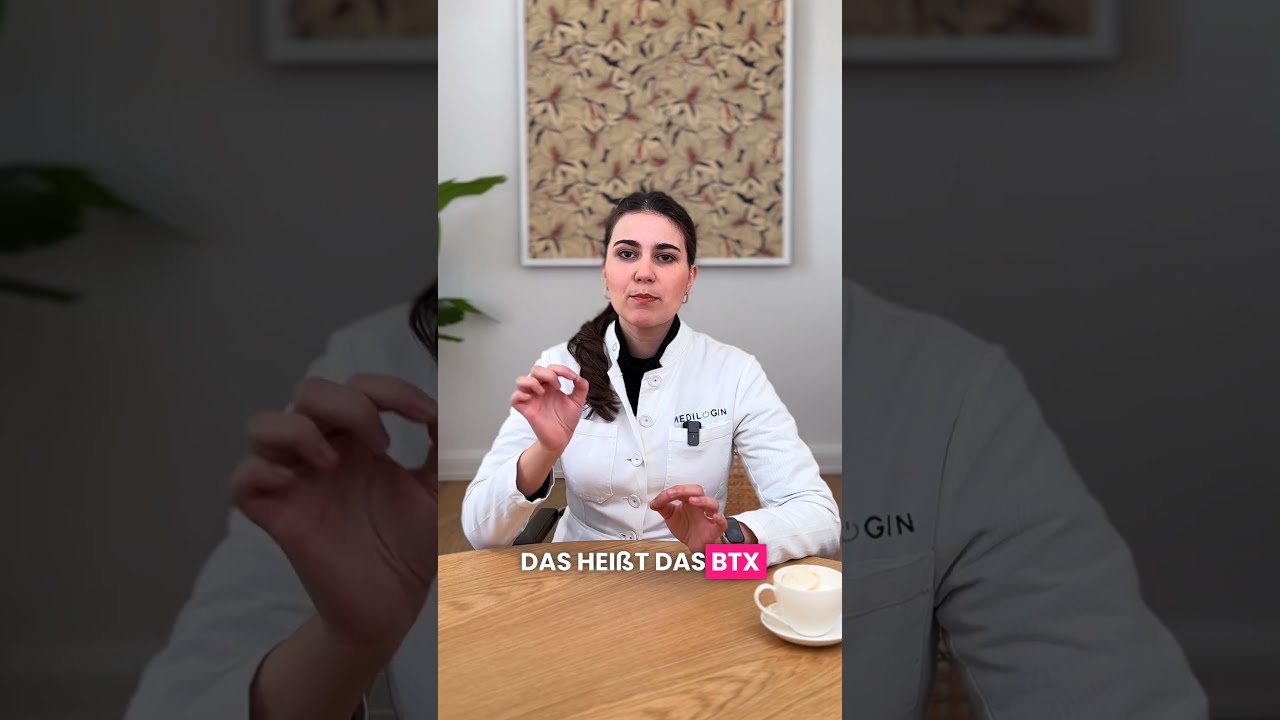
It isn’t about size. It’s about intention. Look for a practice that educates without overwhelming, that keeps meticulous records, and that treats your face like a long-term project rather than a one-off sale. When the injector can explain, with clarity, why they’re recommending a specific botox dosage, how they’ll adjust at your two-week visit, and what to expect at months three and four, you’ve found a partner, not just a provider.
A short script you can use during consultations
- How do you determine my dosing for each area, and how many units are you recommending today? Which brand of botulinum toxin are you using, and why is it a good fit for my goals? Can you show me before and after photos for patients with similar anatomy or concerns? What is your follow-up and touch-up policy if asymmetry or under-correction appears at two weeks? How do you track and adjust my treatment plan over time to maintain natural looking results?
Final thought from the treatment room
Cosmetic botox is not one decision, it’s a series of them. Clinic, injector, brand, dosage, timing. Get those right and the treatments fade into the background of your life, doing their work quietly while you go about your day. The goal isn’t a face that looks “done.” It’s a face that looks like you, rested and expressive, with lines softened where they distract and preserved where they speak. If your search for “botox injections near me” leads you to a clinic that knows the difference, you’ll feel it in the first five minutes. And months from now, when someone says you look great but can’t quite put a finger on why, you’ll know you chose well.